SACRED GROUND
A PLACE THAT HAS ALWAYS KNOWN HOW TO HOLD THE HOLY
THE HISTORY OF THIS PLACE
Some ground chooses what it will carry.
The village is called Cotterstock. Scholars have debated what that name means for decades. One tradition reads it as a place where a troop assembled — a gathering point, a place of meeting. Another, now largely set aside for lack of evidence, proposed a place with a hospital — a place of care and healing. The interpretation most scholars now favour traces it from the Old English corther-stoc: a dairy farm.
A dairy farm. Ordinary. Unglamorous. Cows and milk and labour beside a river.
And yet. Everything that has happened on this ground since suggests that whatever it was called, it was always understood — by the Druids who honoured the river, by the Romans who built one of Britain's grandest villas here and sailed their goods from this very place, by the medieval chaplains who sang their hours in the chancel across the yard, and now by those who come to Stepping Stones — as a place where something more than the ordinary was possible.
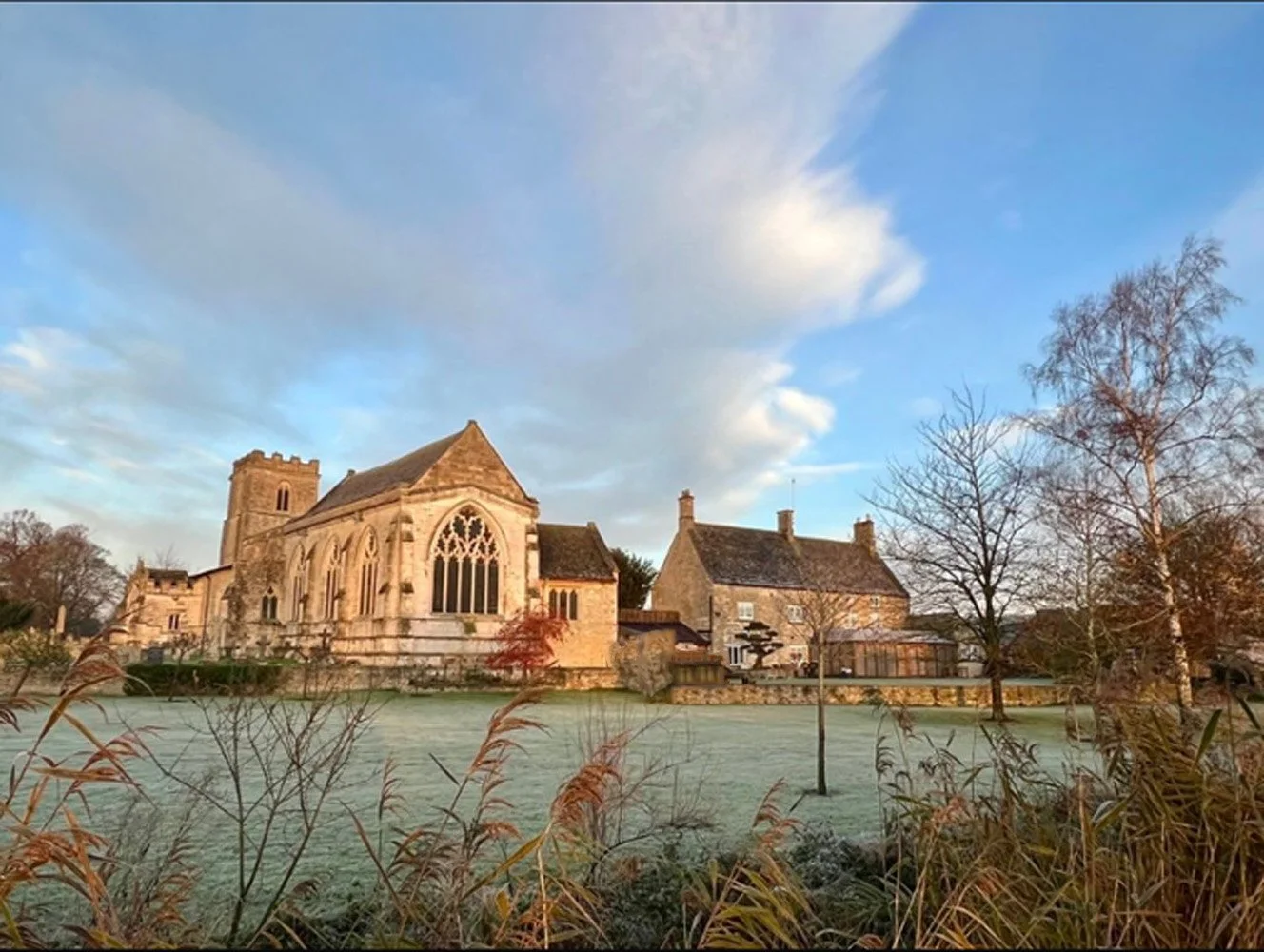
Church Farm sits in the curve of that same quiet Northamptonshire river, in a village so small it barely interrupts the sky. Beneath the meadow grass and beside the waters of the Nene, layer upon layer of sacred intention has been pressed into this earth — Druid, Roman, medieval Christian, and now something newer, wider, and still unfolding.
This is not simply where Stepping Stones is based. It is why Stepping Stones exists.
BEFORE THE ROMANS CAME
Long before a single stone was laid in the name of any god, the Nene Valley was already understood to be a place of power. Rivers were sacred to the ancient British peoples — the Celts and the Druids who preceded Roman occupation understood flowing water as a boundary between worlds, a place where prayers crossed over, where the living might speak to the unseen.
The land on which Church Farm stands carries local tradition of earlier sacred use — Druid presence, the honouring of a landscape that the Romans themselves, when they arrived, clearly recognised as worthy of their most significant attention.
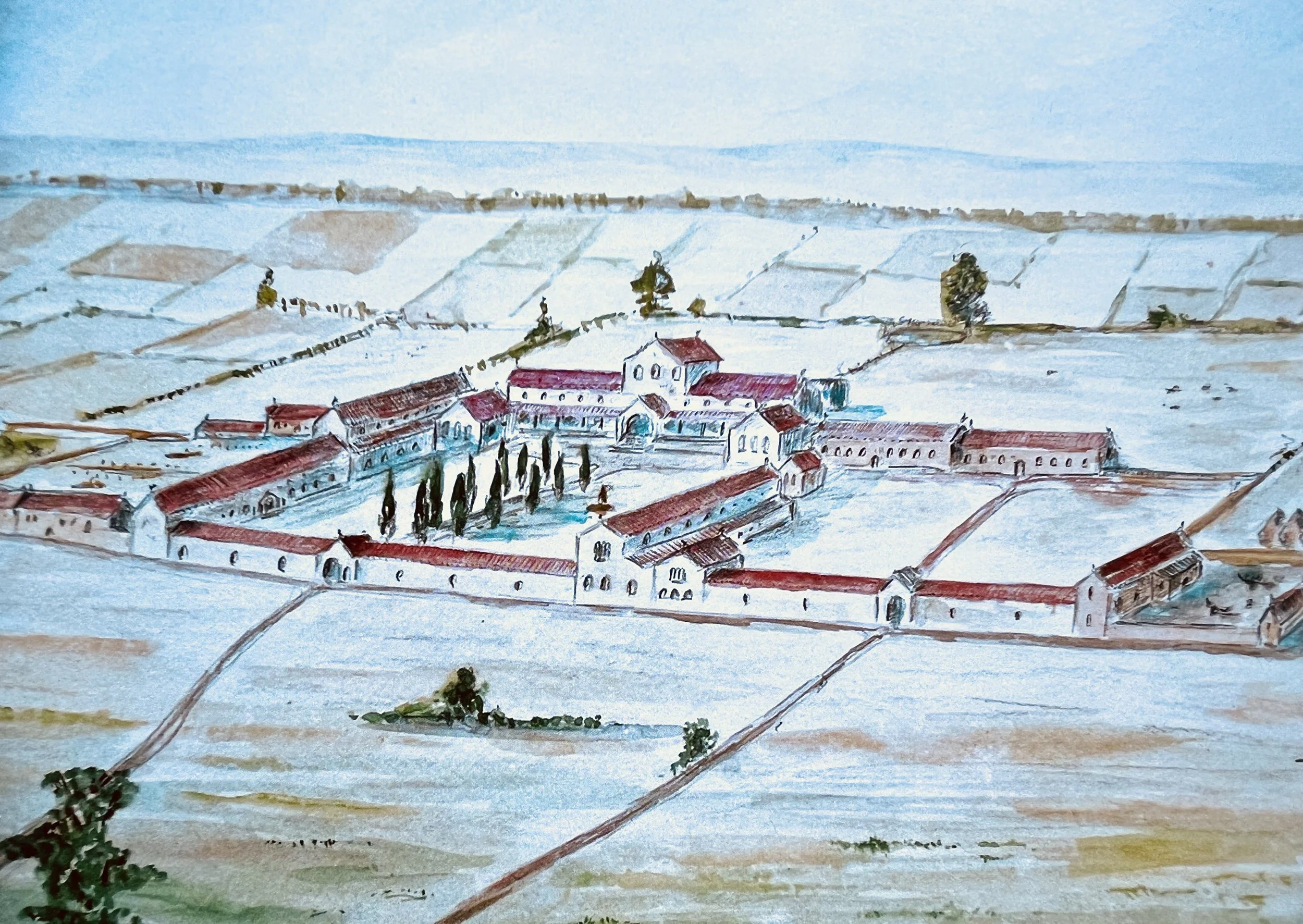
artist unknown- please let me know who to credit. Illustration in “The Romans of the Nene Vally” by Stephen G. Upex
THE ROMAN VILLA- A VILLA OF UNUSUAL GRANDEUR
The villa at Cotterstock was built a few fields away from this very spot, which remains the largest known villa in the lower Nene Valley — comparable with Bignor in Sussex and North Leigh in Oxfordshire. This was no modest farmstead. Aerial photography in the long dry summer of 1976 revealed parch marks across the fields: the ghost of a winged-corridor complex with four courtyards, a building platform some 200 metres long, terraced into the hillside. It had been there all along.
The villa was first discovered in 1736 when a farmer's plough struck something in the field — just a resistance, a catching, a sense that something below was pushing back. What emerged were mosaic floors of intricate geometric beauty, made by hands that had been still for over a thousand years. A second mosaic came to light in 1798. Fragments were carried off by the curious and the powerful — a piece taken to Deene Park, set into a summer house floor. The habit of powerful men annexing beauty that did not belong to them. The land, as always, outlasted them.
Most remarkably of all, a Roman amphora and a coin of the Emperor Domitian — minted between 81 and 96 AD — were found beneath the very chancel of the church next door to Church Farm. The Romans were not simply farming here. They were present at the exact spot where prayer would rise for centuries after them. Sacred ground recognises itself.
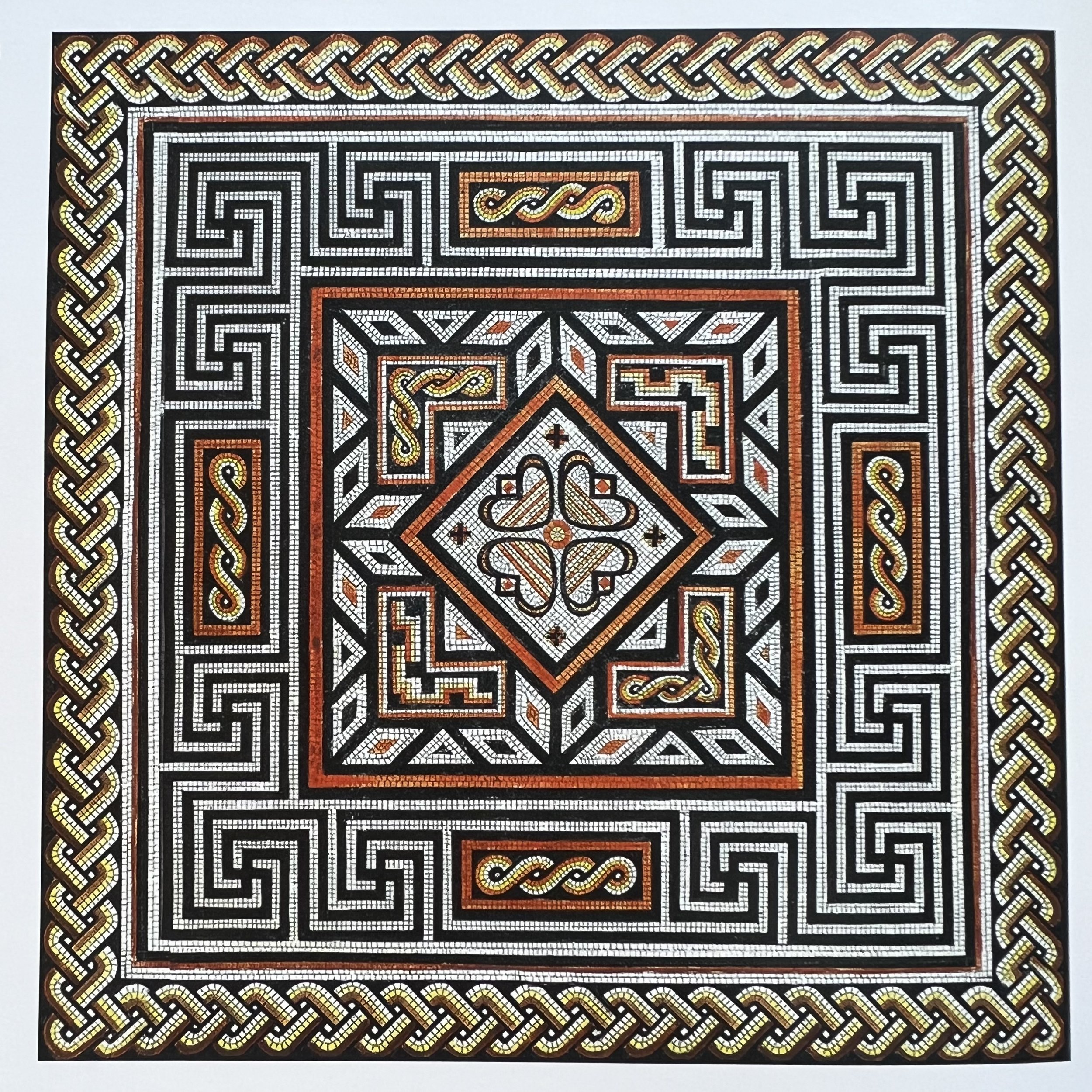
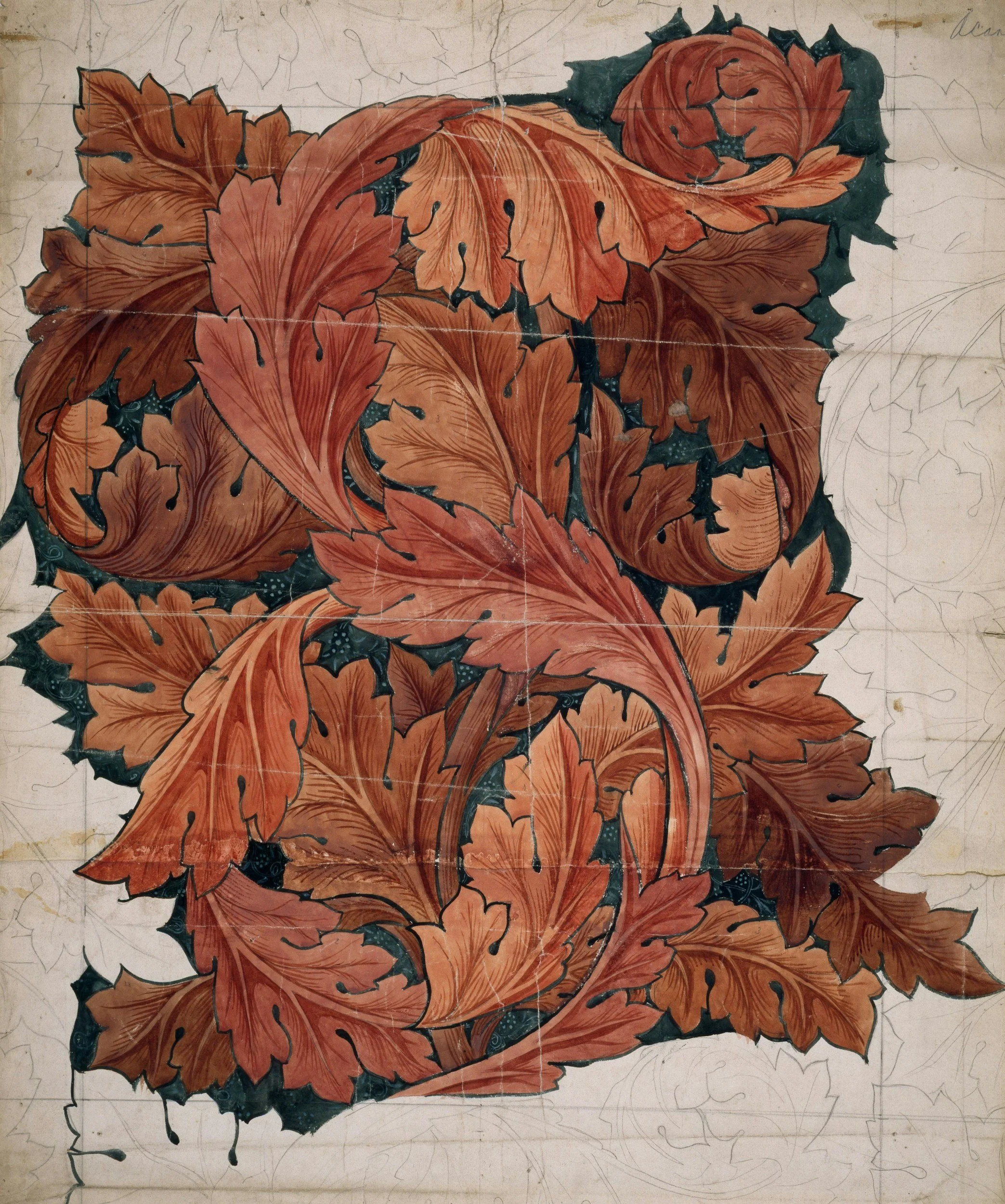
Cotterstock Villa Mosaic image from ‘The Romans in the Nene Valley’, Stephen G. Upex
THE MEDIEVAL CHAPTER: ENGLAND’S MOST AMBITIOUS COLLEGIATE
In 1338, a royal clerk named John Gifford — steward to Queen Isabella, servant to three kings, a man who had walked the corridors of power from Westminster to the court of Rome — turned his gaze homeward to this small Northamptonshire village and built something astonishing.
Cotterstock is remarkable as having been the seat of one of the largest — probably the largest — colleges of private foundation of a chantry character throughout the kingdom. The College of St Andrew consisted of a provost, twelve chaplains — secular or religious — and two clerks, all living in common, all committed to a daily round of sung prayer. The dedication was sweeping in its embrace: to the most Holy Trinity, and of the glorious and most blessed Virgin Mary... and of the blessed Apostles, and especially of the blessed Andrew, and of All Saints. All were gathered in. None excluded.
These were not monks. They were secular chaplains, living a communal life governed by statutes of remarkable warmth and practicality. They were to be people of good fame, free from all forms of luxury and from quarrels and strifes — curious, heart-connected, living simply, eating together in the hall in silence while one of their number read aloud from scripture or the lives of the saints. The infirm were to have their own room and suitable food. Their goods were held in common. Every week was a liturgical pilgrimage through the whole communion of heaven: Sunday for the Trinity, Monday for Andrew, Tuesday for Thomas of Canterbury, Wednesday for John the Baptist, Thursday for Corpus Christi, Friday for the Holy Cross, Saturday for St Martin.
They wore long black cassocks as their daily dress, and in choir: white surplices with wide sleeves, black tippets of fur, and for the most solemn masses, great semicircular copes embroidered with fleurs-de-lis in honour of Queen Isabella, who was French-born. Their heads were shaved in the distinctive tonsure required by the statutes — large, definite, and uniform crowns. Fifteen trained voices singing the Use of Sarum plainchant in a stone chancel, every day, for nearly two hundred years. That sound would have carried across the meadow that is now the garden of Church Farm, into whatever was happening in the yard, as naturally as birdsong.
The college endured through plague — Gifford himself died in the Black Death of 1349 — through war, through the slow erosion of its lands by litigation and powerful men. It was formally dissolved on 4 February 1536. Only three such collegiate foundations survived the Reformation in all of England: St George's Chapel at Windsor and Westminster Abbey among them. Cotterstock was not so fortunate. But the ground remembered.
WHAT THE STONE STILL CARRIES
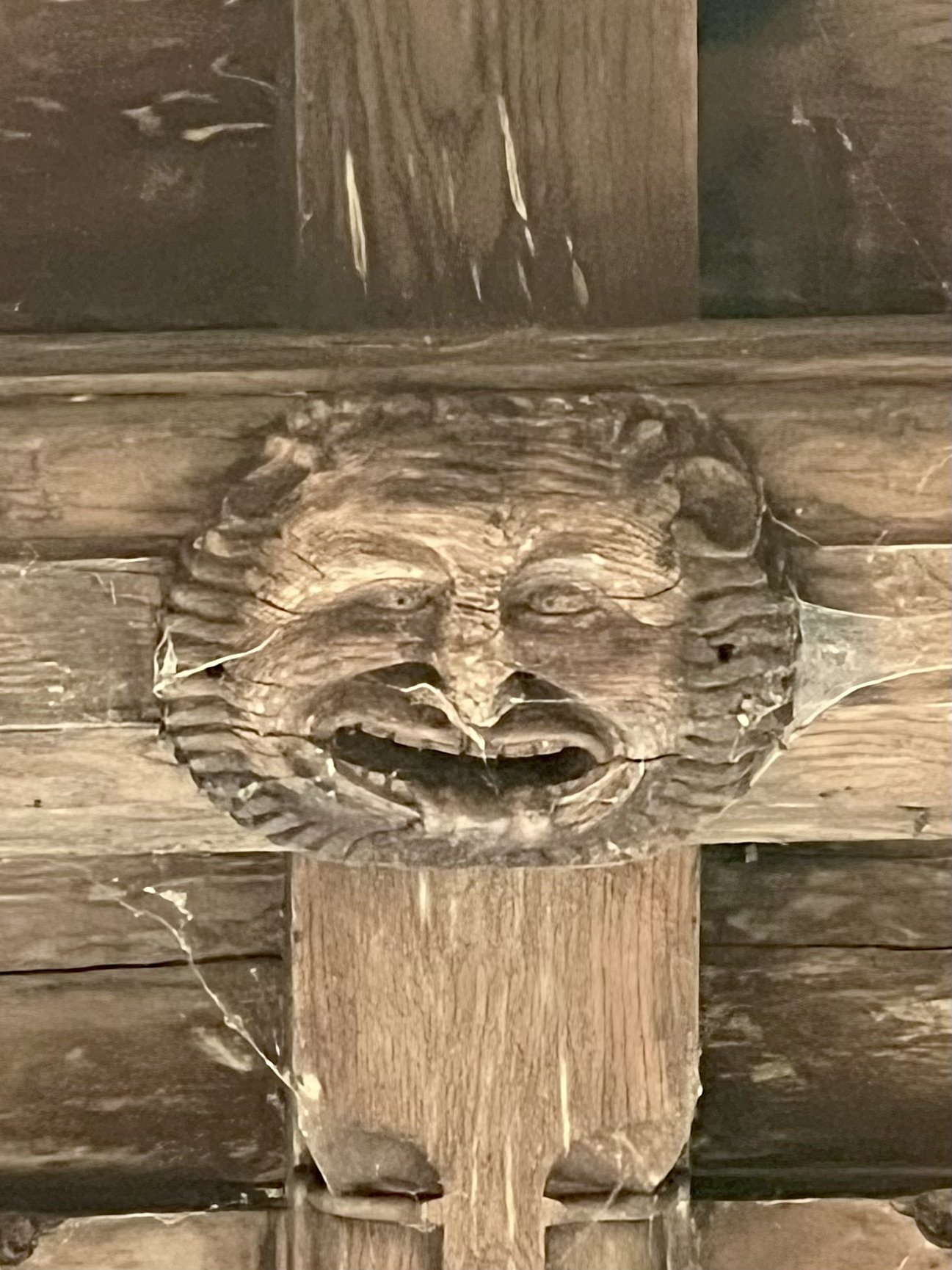
Step inside the church of St Andrew today — the 12th-century building that stands immediately beside Church Farm — and look up. Among the carved wooden bosses in the chancel roof, there is a Green Man: a man's face with leaves growing from his mouth, foliage where words should be. The medieval builders placed him there deliberately, in the heart of a chancel built for Christian prayer. He speaks to something they understood: that the oldest sacred does not disappear when a new tradition arrives. It watches from the roof and waits.
On the south side of the chancel, a near-perfect canopied brass marks the grave of Robert Wyntryngham, provost of the college, who died in 1420. His hands are still joined in prayer. His cope is embroidered with fleurs-de-lis. He is wearing the long surplice, the black tippet, the tonsure required by the statutes. He has stood there for six centuries. The prayer continues.
The scallop shell — pilgrim's badge since the earliest centuries of Christian wandering — is carved over the porch door. Two wool sacks beside it: a reminder that this community was rooted in the ordinary economy of the land. Corther-stoc. The dairy farm that became the largest collegiate church of private foundation in the kingdom.
THE LABYRINTH IN THE MEADOW
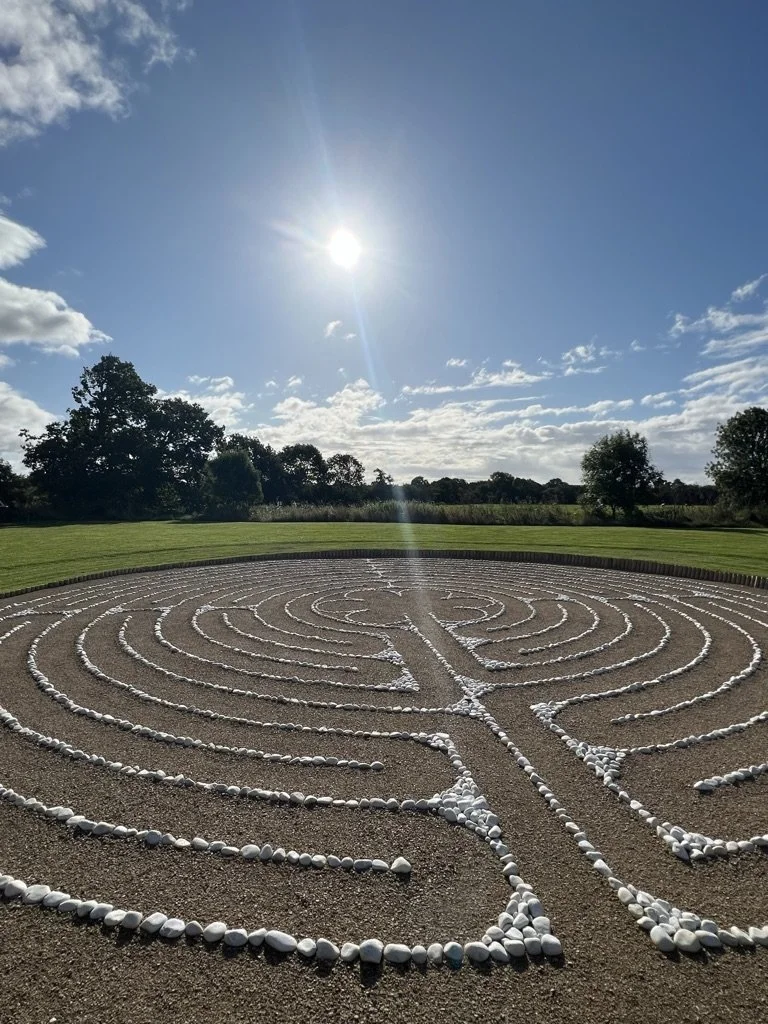
In the river meadow to the north-east of the church — on the same ancient ground where the Nene curves and the light falls long across the grass — there is a labyrinth. Or rather: there is a labyrinth, and you would not know it.
It is a circle-cross labyrinth, laid in stone, 15 metres in diameter constructed by hand as a self-directed project for interfaith ministry training. Every stone was pressed into the earth by the person who lives and works at Church Farm — nestled in one by one, during a flood, in a race against the clock, with aching arms and a heart that knew what it was doing even when the mind doubted.
The site was chosen by dowsing. The meadow confirmed what the body already knew: this spot sits aligned between the ancient font of St Andrew's Church, Cotterstock, and St Mary's Church at Tansor, along the river. Whether you call that a ley, a line of sacred geography, or simply the accumulated intention of centuries of prayer — something runs through this ground.
A barn owl landed in the oak tree at the edge of the meadow on the evening the earth was first broken, with the Cold Full Moon rising behind. Some moments announce themselves.
Then, in 2025, something shifted. A strong inner knowing came — quiet but insistent, the kind you learn to trust — that the labyrinth needed to rest. Rich soil and grass seed were laid over the path, and the river meadow was allowed to return to itself. This spring, you would not know the labyrinth was there. The grass is whole and green and beautiful. And beneath it, every stone undisturbed — each one pressed into place by hand, still holding the pattern.
This is not a decorative feature. The labyrinth is one of humanity's oldest sacred technologies — found in every culture, many spiritual traditions, predating the written word. It deserves to be approached with the seriousness it has earned. Walking a labyrinth with genuine intention and an open heart is not a mild experience. It is a portal. It is a practice. It is worthy of your full attention.
THE RENAISSANCE: NOW
An invitation to peace, reconciliation and growth.
A dairy farm. A Roman villa. A collegiate of fifteen chaplains singing the hours. A buried labyrinth breathing under the grass. And now — Mysticism and Mary Magdalene revelations, reflexology and pilgrimage, grief and deep listening, yoga and ceremony, season and stillness.
The founding statutes of the college asked its members to bring curiosity to all of life, to connect at heart level with others, to live simply, to be open to radical inner work, to be delightful and sweet-natured — a fragrant example. Stepping Stones asks no less. And a little more: it asks that the circle of the holy be wide enough for those who have loved the sacred and lost their way back to it, for those who carry grief the world has no liturgy for, for those who are spiritually homeless and simply need, at last, a place to rest.
The name that scholars dismissed — a place with a hospital, a place of care — turned out to have no historical basis in the Anglo-Saxon record. But standing here, in this layered, water-edged, prayer-soaked ground, it is hard not to wonder whether the name knew something the etymologists didn't.
This ground has always known what it was for.
We are simply the latest to be trusted with it.